5 Things to Check Before Choosing a Custom Stationery Manufacturer
5 Things to Check Before Choosing a Custom Stationery Manufacturer
Choosing the right custom stationery manufacturer can have a major impact on your product quality, development speed, cost, and overall customer experience.
For brands, retailers, gift companies, wholesalers, and distributors, finding a supplier is not simply about comparing prices. A reliable OEM stationery manufacturer should be able to understand your product concept, provide professional development support, control production quality, and deliver consistently.
If you are planning to develop custom stationery products, here are five important things you should check before placing an order.

1. Can the Manufacturer Handle Custom Product Development?
Not every stationery supplier is a true custom manufacturer.
Some suppliers mainly sell ready-made products and only offer simple changes such as logo printing or packaging. If you want to create a unique product for your brand, you need a manufacturer with real product development capabilities.
Before choosing a supplier, ask:
-
Can they develop products based on your drawings or ideas?
-
Can they create prototypes and samples?
-
Can they modify materials, colors, sizes, and structures?
-
Can they support custom packaging?
-
Can they provide OEM and ODM services?
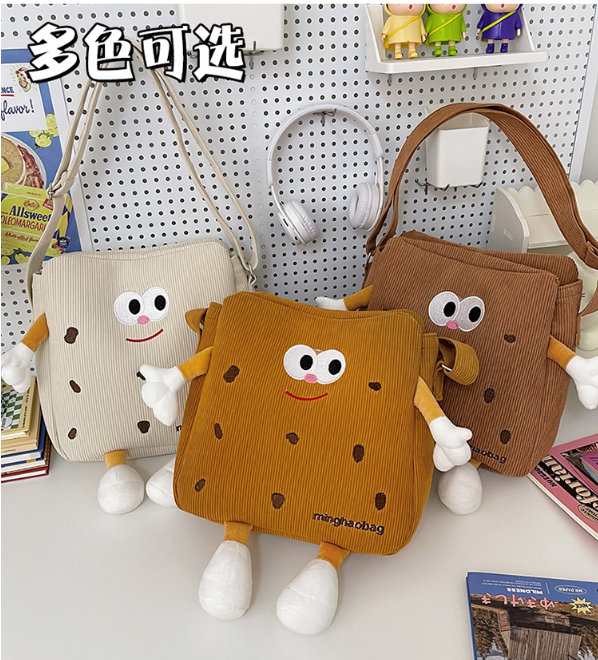
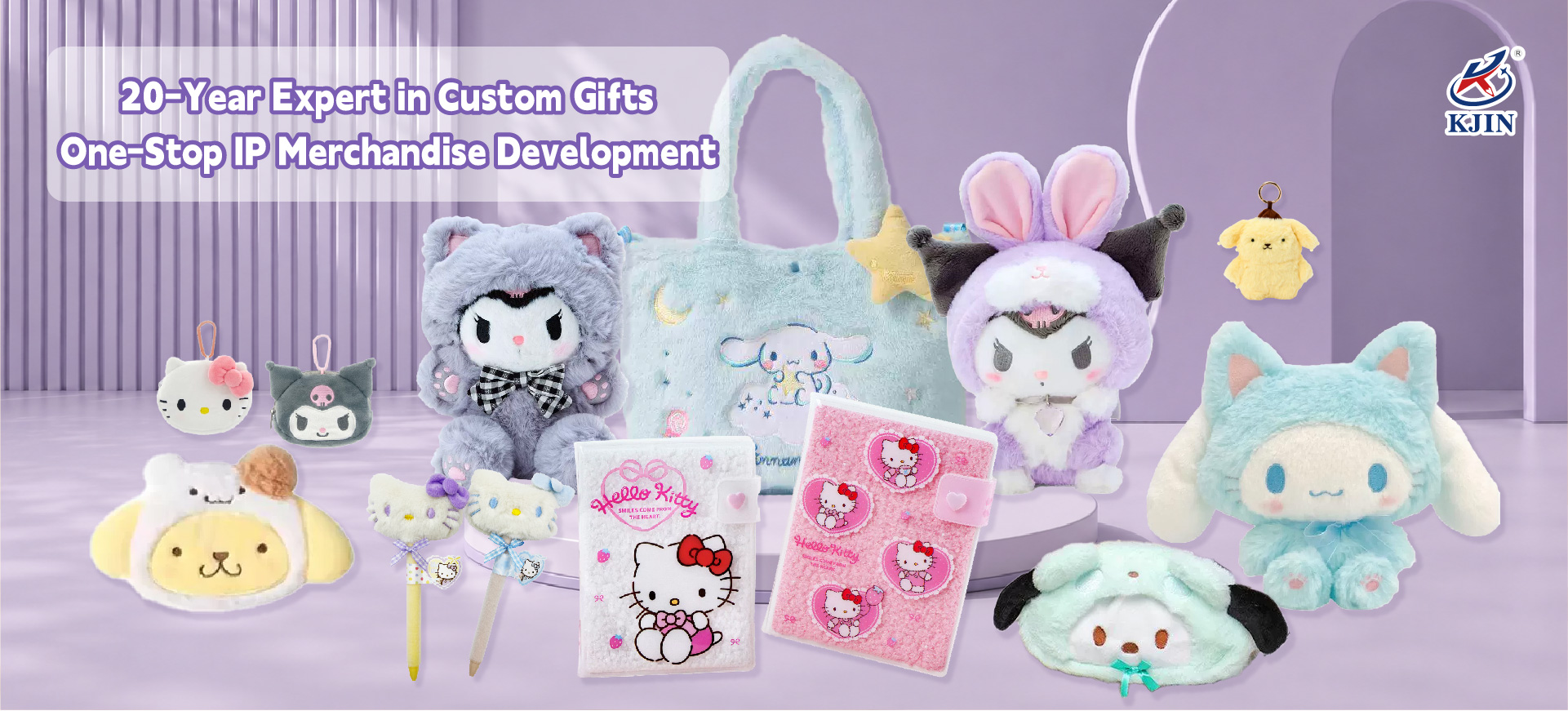
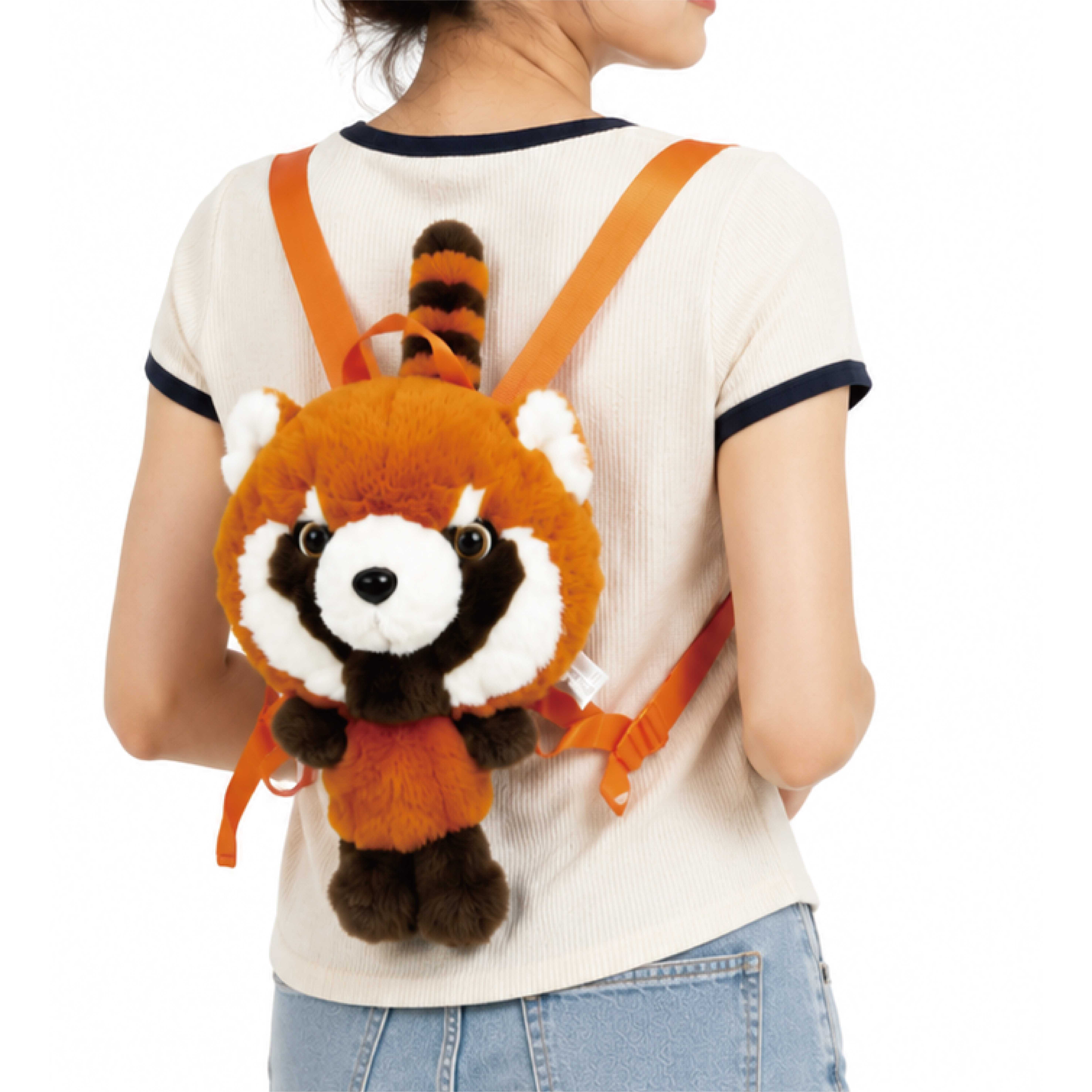
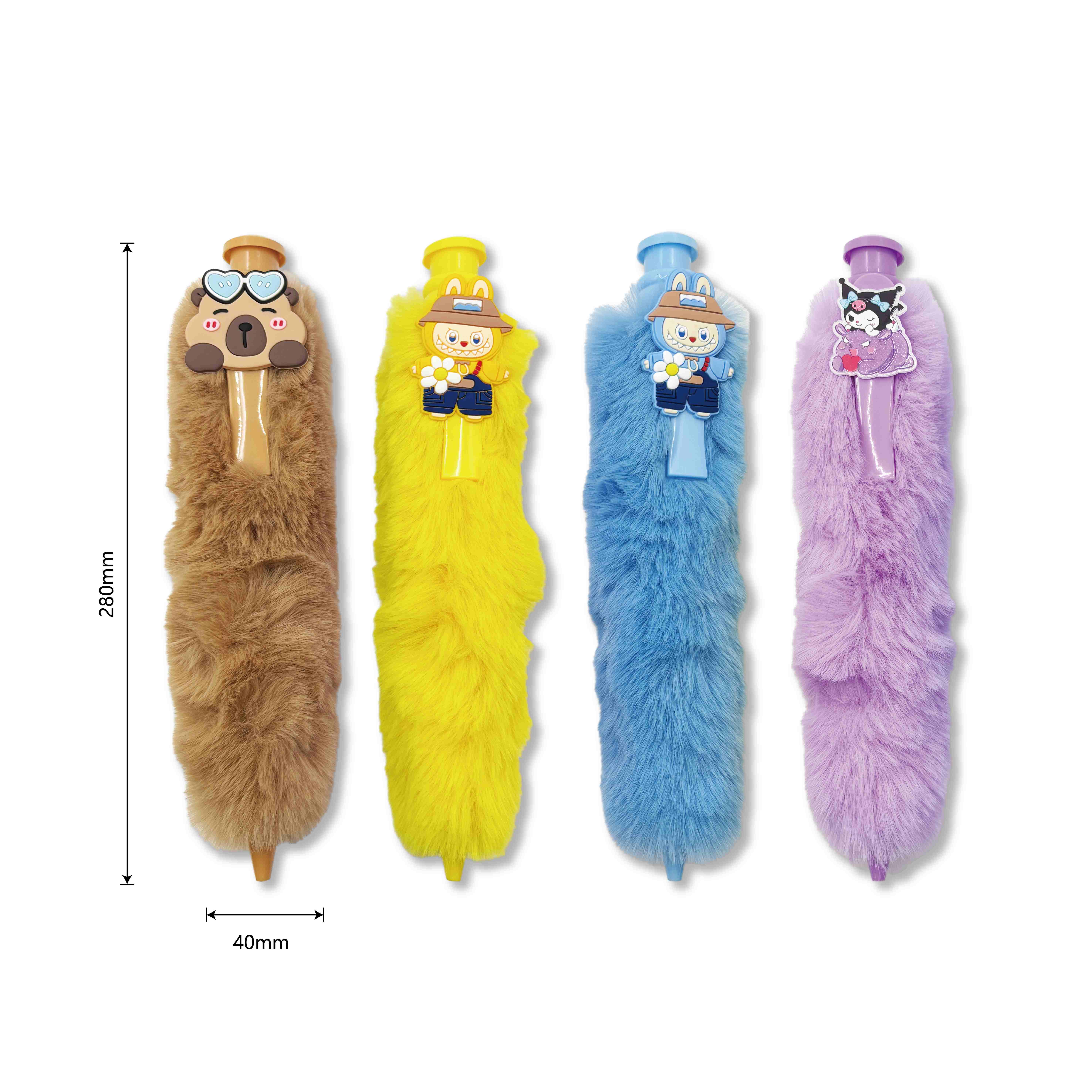
For example, custom stationery can include plush notebooks, plush pens, creative notebooks, pencil cases, keychains, and other functional gift products.
A manufacturer with strong OEM/ODM capabilities can help turn an idea into a commercially viable product.
2. Check Their Manufacturing Experience
Experience matters, especially when your product involves multiple materials or production processes.
A professional custom stationery manufacturer should understand not only stationery production but also the specific requirements of different materials and components.
For example, a plush notebook may involve:
Material selection → artwork development → sampling → plush sewing → printing → notebook assembly → quality inspection → packaging
Each step can affect the final product.
When evaluating a supplier, look for evidence of actual manufacturing experience. Factory photos, production videos, sample development records, product catalogs, and previous projects can all help you understand whether the supplier has real production capabilities.
3. Don't Choose a Supplier Based Only on Price
Price is important, but the lowest quotation is not always the lowest final cost.
A low initial price may come with hidden risks, such as:
-
Poor material quality
-
Inconsistent colors
-
Weak stitching or construction
-
High defect rates
-
Delayed production
-
Poor packaging
-
Additional costs during production
For B2B buyers, these problems can be much more expensive than a slightly higher unit price.
A better approach is to compare the total value of the supplier.
Consider:
Product quality + communication + development capability + production stability + delivery reliability + price
The right manufacturer should provide a balance between competitive pricing and reliable quality.
4. Pay Attention to Sampling and Communication
Sampling is one of the most important stages of custom stationery development.
A professional supplier should be able to clearly communicate about:
-
Product specifications
-
Materials
-
Dimensions
-
Colors
-
Printing methods
-
Packaging
-
Sample costs
-
Production timelines
-
Minimum order quantities
Good communication can significantly reduce mistakes during product development.
Before placing a large order, it is recommended to evaluate how the manufacturer handles your sample project.
Ask yourself:
Do they understand my requirements?
Do they respond quickly?
Can they identify potential production problems?
Can they suggest better solutions?
These details often tell you more about a supplier than a quotation does.
5. Check Quality Control and Production Capacity
A successful sample does not automatically mean successful mass production.
Your manufacturer should have a clear quality control process from raw materials to finished products.
A reliable production process may include:
Incoming Material Inspection → Production Inspection → Sample Approval → Finished Product Inspection → Packaging Inspection
For growing brands, production capacity is also important.
If your first order is small but your product becomes popular, can the manufacturer increase production without sacrificing quality or delivery time?
This is especially important for seasonal stationery, promotional products, licensed merchandise, and fast-growing consumer brands.
OEM or ODM: Which One Should You Choose?
When working with a custom stationery manufacturer, you will often hear the terms OEM and ODM.
OEM (Original Equipment Manufacturing) is suitable when you already have your own product design, artwork, specifications, or concept and need a manufacturer to produce it.
ODM (Original Design Manufacturing) is useful when you need support with product development and want to select or modify existing designs from the manufacturer's capabilities.
For brands that already have a clear product concept, OEM may be the better choice.
For companies looking for new product ideas or faster development, ODM can provide more flexibility.
A manufacturer that supports both OEM and ODM gives buyers more options throughout the product development process.
Why Choose a Manufacturer Instead of a Trading Supplier?
Working directly with a manufacturer can provide several advantages for custom stationery projects.
You may benefit from:
-
Better communication with the production team
-
Faster sample development
-
More flexible customization
-
Better control over materials
-
Easier production follow-up
-
More direct quality control
-
Better support for long-term product development
However, the most important point is not simply whether a company calls itself a factory.
What matters is whether the supplier can consistently deliver the product you need.
Ask for samples, production information, customization capabilities, quality control procedures, and clear communication before making your decision.
Final Thoughts
Choosing a custom stationery manufacturer is a long-term decision, not simply a price comparison.
Before working with a supplier, check five key areas:
1. Custom product development capability
2. Manufacturing experience
3. Overall value instead of price alone
4. Sampling and communication
5. Quality control and production capacity
The right manufacturing partner can help you transform an idea into a high-quality stationery product and build a more reliable supply chain for your brand.
At KJIN-Stationery, we focus on creative stationery and custom gift products, providing OEM and ODM solutions for international brands, retailers, wholesalers, and distributors.
If you are developing a new custom stationery product, choosing the right manufacturing partner at the beginning can save time, reduce production risks, and create better opportunities for your brand.
Why Custom Stationery Is Becoming More Than Just Office Supplies
How to Choose the Right Custom Stationery Manufacturer for Your Brand